Interior Styling Course: Practical, Beginner-Friendly Tips for Stylish, Affordable Spaces
Learn how to transform your home with simple, low-cost interior styling ideas that require minimal tools and no advanced repairs. Perfect for beginners, renters, and homeowners seeking easy, stylish upgrades.
Start simple with the biggest impact
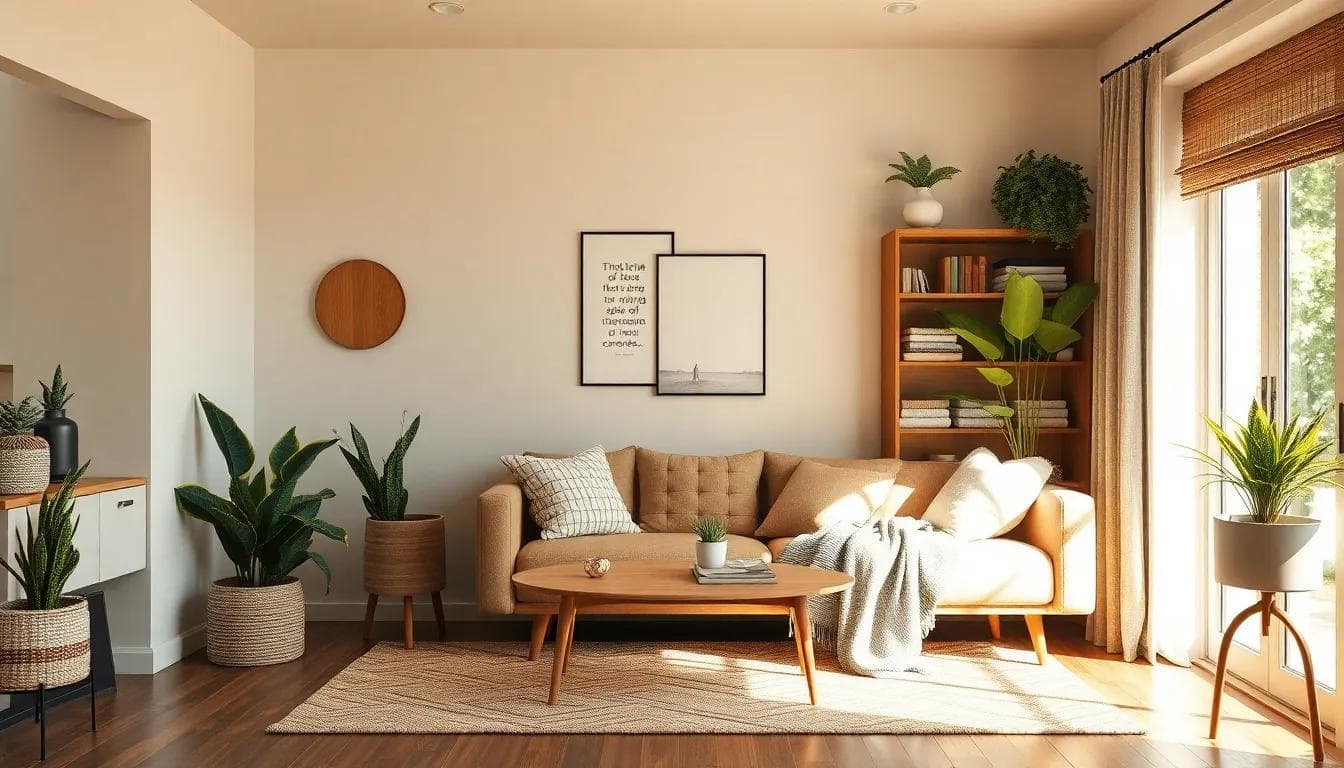
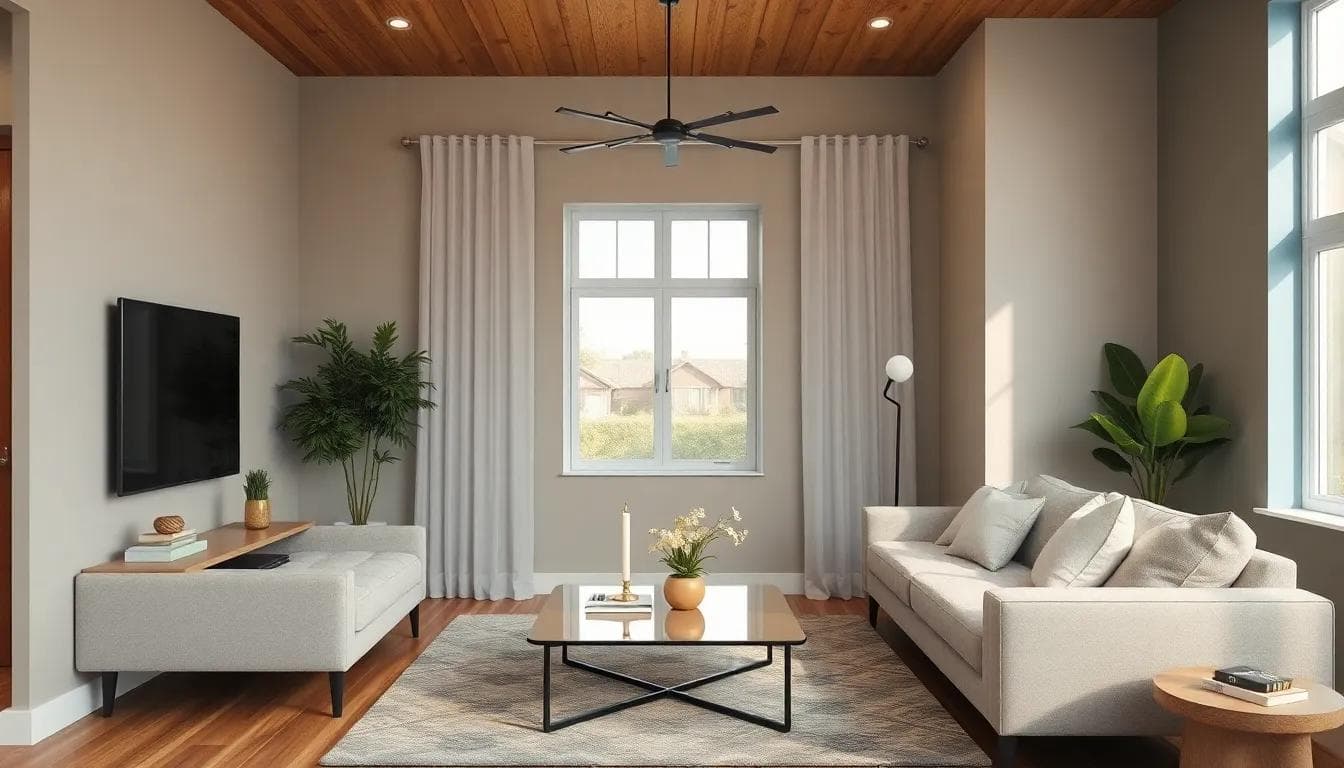
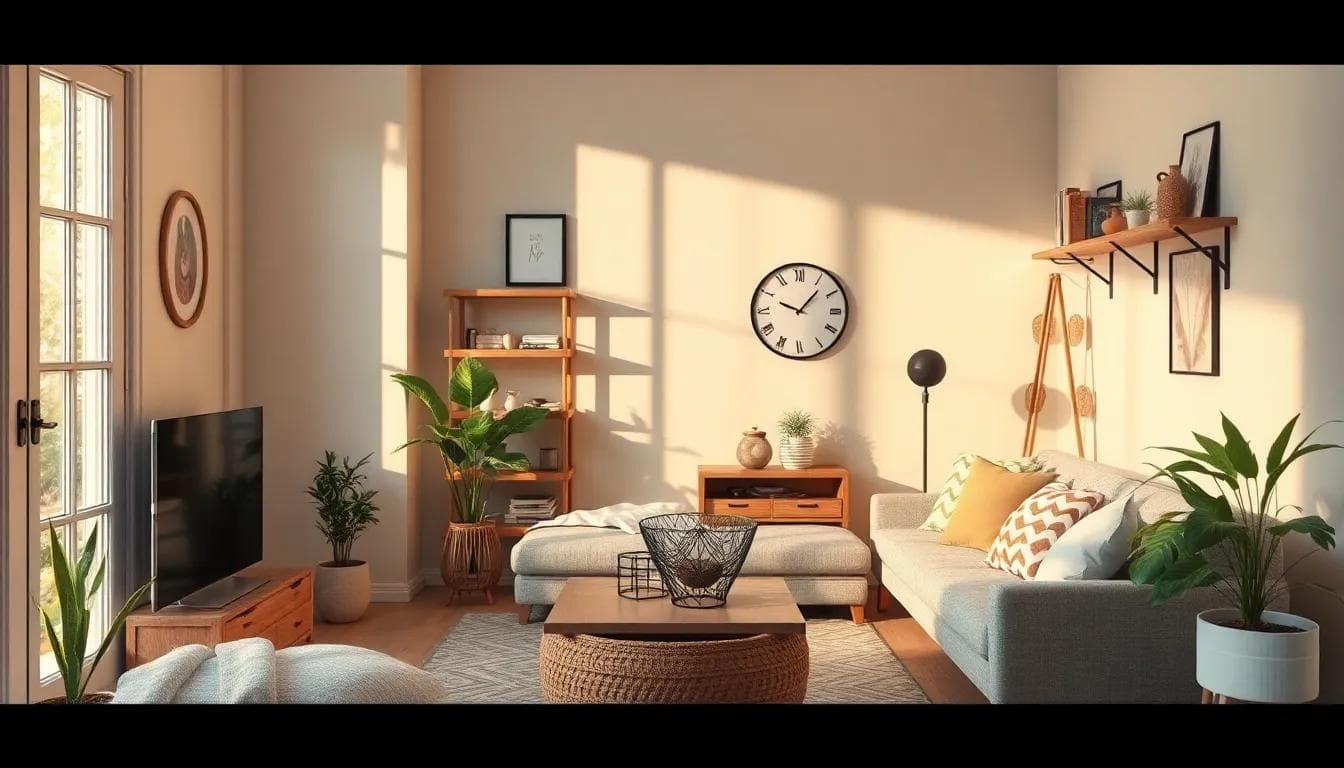
When embarking on an interior styling course as a beginner, the best approach is to start simple and focus on changes that make the biggest impact. Small improvements like decluttering, rearranging furniture, and introducing new textiles (like cushions or curtains) can dramatically improve a room's look without expensive materials or tools.
Practical interior styling course tips for beginners
Budget-friendly options
1. Use Paint Smartly: A fresh coat of paint on a single accent wall or furniture piece can refresh a space inexpensively. Opt for paint brands that offer quality at a low price. 2. Shop Secondhand: Thrift stores and online marketplaces are gold mines for unique decor pieces at a fraction of retail prices. 3. DIY Decor: Create your own art or decorative items using simple materials like paper, fabric scraps, or plants. 4. Repurpose Existing Items: Sometimes rearranging or updating the use of items you already have saves money and enhances your space.
Small-space or renter-friendly options
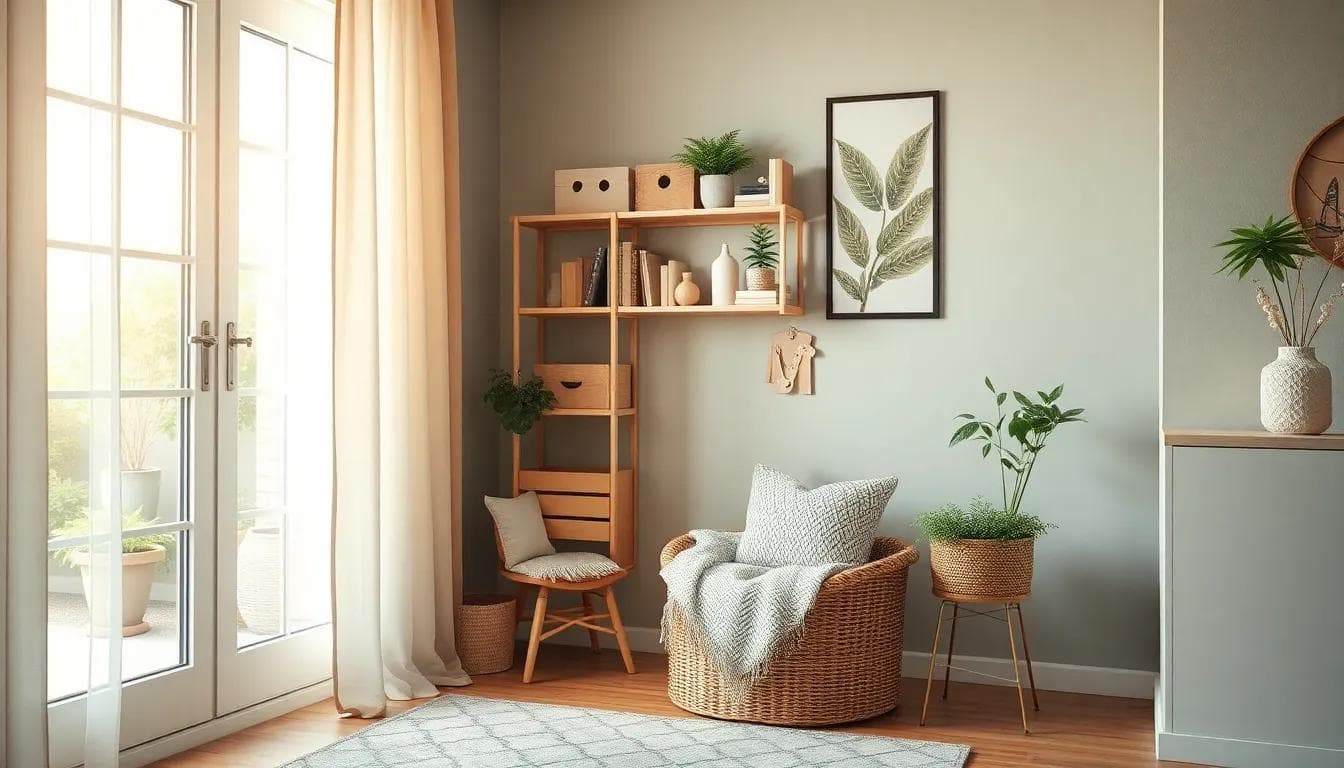
1. Temporary Wallpaper or Decals: These add personality without the commitment or damage of paint. 2. Removable Hooks and Shelves: They allow you to add storage and display space without drilling or permanent fixtures. 3. Textiles & Lighting: Swap out curtains, add rugs, or use stylish lamps that can be taken when you move. 4. Plants: Easy to care for and renter-approved, plants brighten rooms and add texture.
What to avoid
Overcomplicating projects: Avoid large remodeling or structural work that requires permits or lots of tools.
Buying expensive specialty tools: The focus should be minimal tools; many styling tasks just require basic items like a tape measure, level, or hammer.
Ignoring scale and proportion: Furniture and decor should fit the room properly to avoid cluttered or awkward spaces.
Using harsh chemicals or damaging adhesives: Especially important for renters who need to maintain the condition of their home.
Easy routine to maintain results
Develop simple habits like regular tidying, rotating cushions and decor for freshness, and seasonal updates with small accessories. This keeps your style vibrant and prevents spaces from feeling tired.
Consistently documenting your progress with photos can keep you motivated and help you identify what works best for your space.
Safety & Scope
This article is for general informational purposes and does not replace professional advice for complex repairs or installations.
Frequently Asked Questions
+What is the easiest way to start an interior styling course?
Begin by focusing on decluttering and rearranging your current furnishings to create more open, inviting spaces. Next, experiment with small changes like adding throw pillows, new curtains, or artwork. Starting small and simple helps you gain confidence without overwhelming costs or tools.
+How can I keep costs low for an interior styling course?
Keep costs low by using paint selectively, shopping secondhand, creating DIY decor, and repurposing existing items. Additionally, focus on renter-friendly and temporary options like removable wallpaper and decals so you don't invest in permanent changes.
+What mistakes should I avoid with an interior styling course?
Avoid overcomplicating projects with advanced repairs or expensive tools, neglecting the scale and proportion of your furniture and accessories, and using harsh adhesives or chemicals that could damage property—especially important if you rent your home.