A Host’s Pace Guide for Seamless Cocktail Hour
Mastering the rhythm and timing of cocktail hour transforms it from awkward downtime into a lively, enjoyable start to any gathering. This guide offers home entertainers practical strategies for duration, flow, and transitions to keep guests comfortable and engaged.
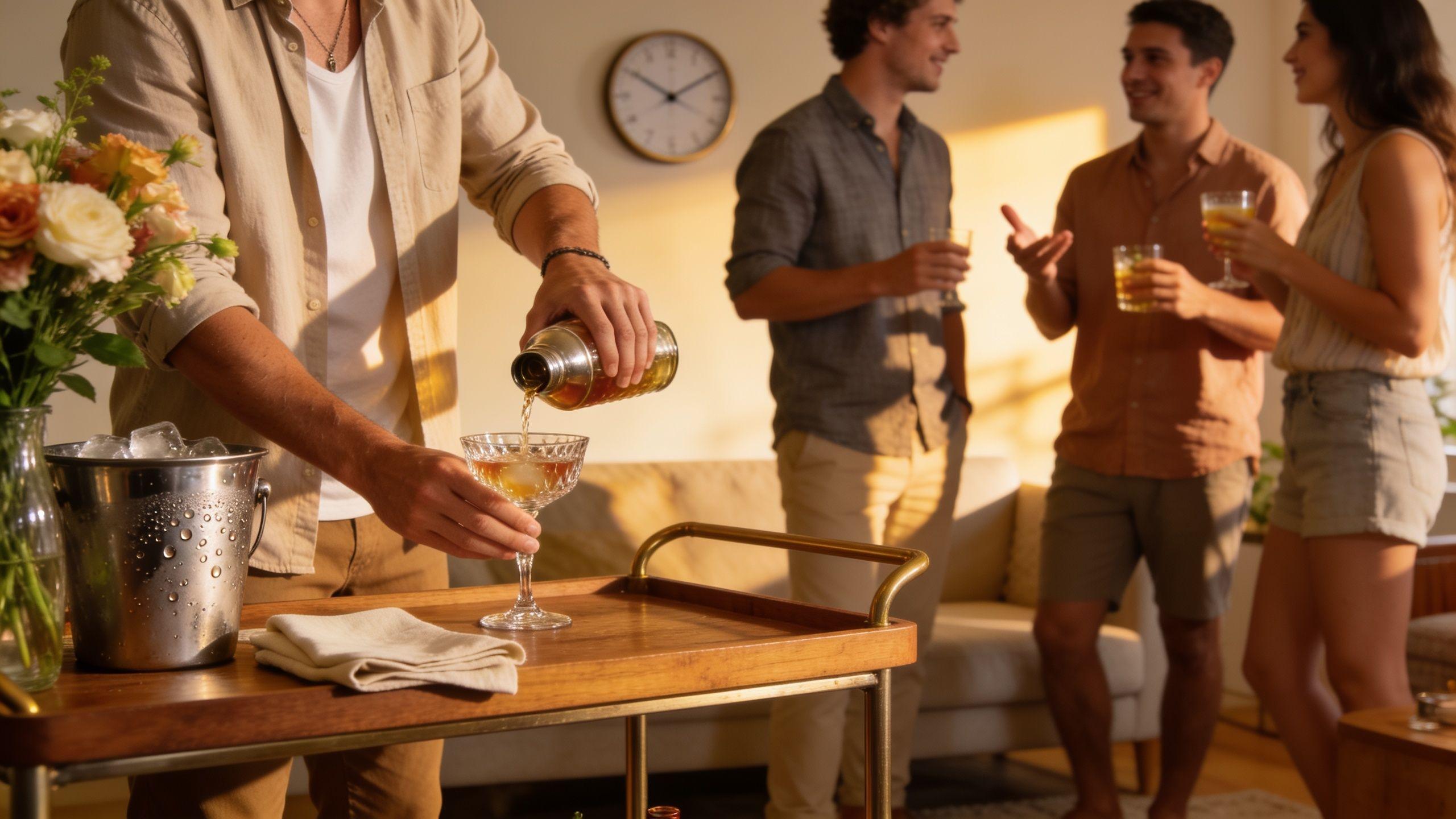
Introduction
The success of a cocktail hour often hinges less on elaborate cocktails or gourmet bites and more on maintaining an easy, natural rhythm. For home entertainers, striking the right pace transforms what can be an awkward waiting period into a warm, vibrant prelude to dinner or an elegant stand-up social event. When timing and flow feel effortless, guests relax, conversations flourish, and the atmosphere feels composed rather than rushed.
Setting the Duration
Determining the ideal length for cocktail hour depends largely on the occasion and your guest list. For casual gatherings or appetizers before dinner, 45 to 60 minutes is typically sufficient. This timeframe strikes a balance—allowing guests ample time to mingle, enjoy a drink or two, and sample bites without becoming restless. Longer cocktail hours of 90 minutes or more can work well for stand-up events where dinner isn’t immediately following, but only if there is enough space and food to sustain socializing without fatigue.
Cutting the hour too short risks guests feeling hurried as they arrive and settle, while overly long cocktail hours can cause the energy to lag if drinks and food dwindle.
Arrival Flow
A seamless cocktail hour starts with a welcoming entry and a clear first step for guests. Greeting each guest warmly but efficiently sets a positive tone. Offering a signature or approachable first drink right as they arrive acts as an icebreaker and kickstarts gentle circulation.
Encourage mingling by limiting seating near the entry or keeping seats arranged in small clusters rather than large groupings. Guests flowing into the space should naturally encounter others; this prevents bottlenecks and awkward pauses. A host can subtly guide movement by positioning themselves centrally or near the bar, engaging guests but avoiding hovering.
Drink and Bite Pacing
Calculating how many drinks and morsels to offer requires thoughtful preparation. A good rule of thumb is estimating roughly two drinks per guest during a 60-minute cocktail hour and providing small bites enough to offer something substantial but not so much they fill up before dinner.
Spacing food out across the hour encourages guests to nibble intermittently rather than rush in the first 10 minutes. Present offerings on separate trays or stations staggered throughout the room to invite circulation. Choices should complement cocktails and allow for easy consumption while standing—think finger foods like stuffed mushrooms, mini tartlets, or skewered olives.
Rotate or refill items midway through to keep the selection fresh and visually appealing.
Furniture and Movement
Designing the cocktail space with mobility and comfort in mind prevents congestion and fosters interaction. For a stand-up crowd, avoid overcrowding with bulky furniture. Use high-top tables that encourage standing and sipping rather than sitting.
If seating is desired, provide a mix of stools and chairs arranged in small, intimate clusters spaced to allow easy movement. Leave clear pathways between groups to facilitate smooth guest circulation and prevent clumping.
Consider the placement of the bar or drink station as a focal gathering point but position it to minimize bottlenecking near entrances.
Transitioning to Dinner
Signaling guests that dinner is ready without abruptly cutting off the cocktail atmosphere is an art. Verbal cues like inviting guests to “join me at the table” or opening the dining room doors serve as subtle prompts.
A gentle approach is to have servers or the host discreetly begin clearing cocktail hour items while inviting conversation toward dining. Dimmed lighting changes or soft background music can psychologically prepare guests for the shift.
For larger or more formal gatherings, a brief announcement thanking everyone for joining the cocktail hour and guiding them toward the dinner can maintain clarity and flow.
Host Presence
The ideal host remains attentive—ready to refill glasses, introduce guests, and keep energy buoyant—without overwhelming the social space. Circulating periodically and observing guest dynamics allows adjustments to pacing, food replenishment, and conversational support.
Avoid standing fixed in one place or monopolizing any group. Balance being visible and engaged with creating an open environment where guests feel comfortable to mingle independently.
--- With a firm grasp on pacing, guest movement, and transitional cues, any home entertainments can elevate cocktail hour from mere waiting time to the highlight of the evening. The right rhythm ensures guests feel cared for, engaged, and eager for more.
Safety & Scope
This article is for general informational purposes and does not replace professional advice for complex repairs or installations.
Frequently Asked Questions
+How long should cocktail hour last at home?
For most home gatherings, 45 to 60 minutes is ideal for cocktail hour. This duration allows guests time to relax, enjoy drinks and bites, and socialize without feeling rushed or growing restless.
+What food works best during cocktail hour?
Finger foods that are easy to eat while standing work best. Think bite-sized options like stuffed mushrooms, mini tartlets, skewered olives, or small charcuterie bites. These should complement the drink selection and be replenished throughout the hour.
+How do you transition guests from drinks to dinner?
Transition smoothly by using verbal cues such as inviting guests to the dining area, softly dimming lights, or adjusting background music. Clearing cocktail items discreetly and making a polite announcement also help signal that it’s time to move to dinner.


